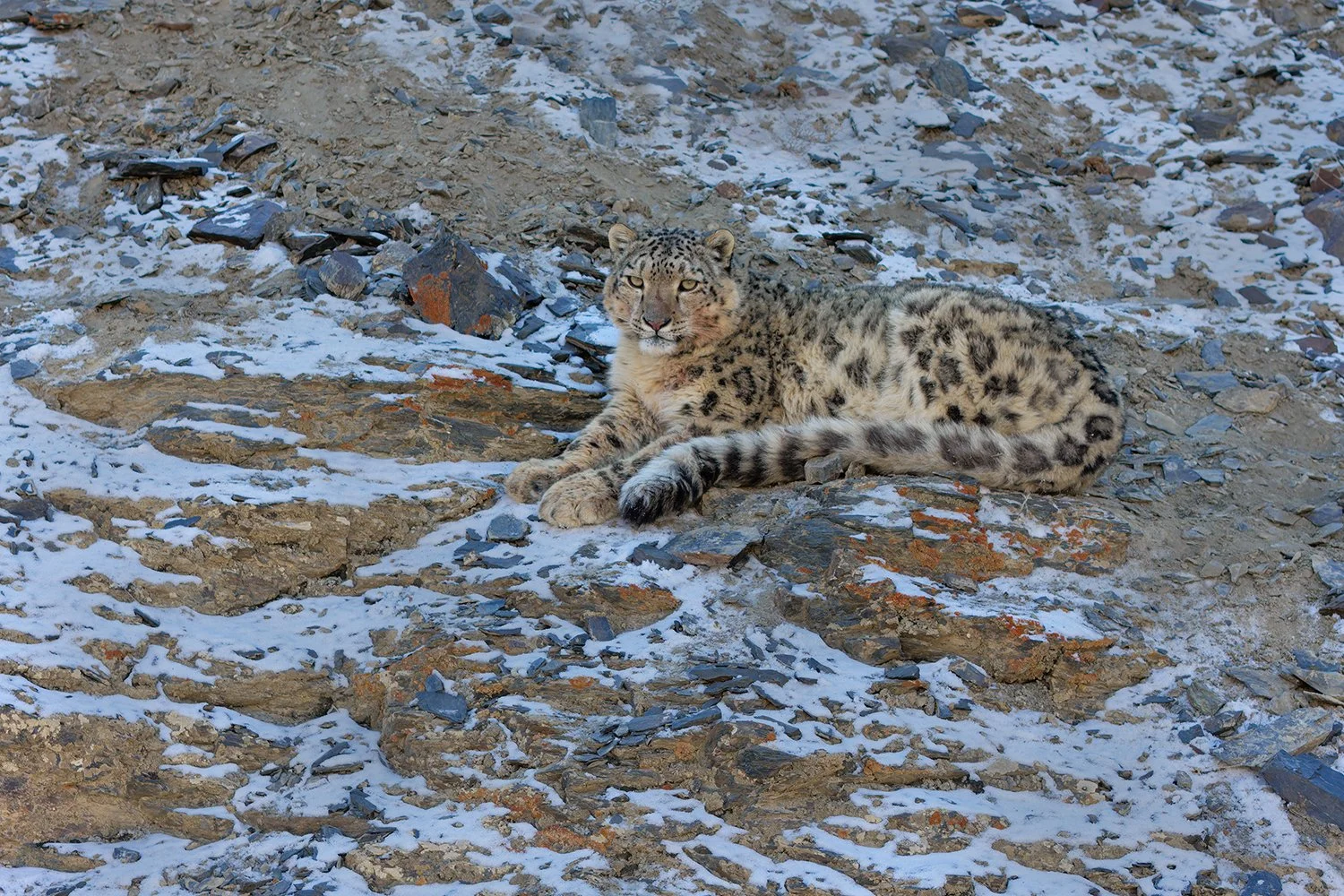
GHOST OF THE MOUNTAINS
A Snow Leopard Journey in the Karakoram
15 Days • Small group • 6 Full Field Days • Khunjerab National Park • Season: December - March
THE EXPEDITION
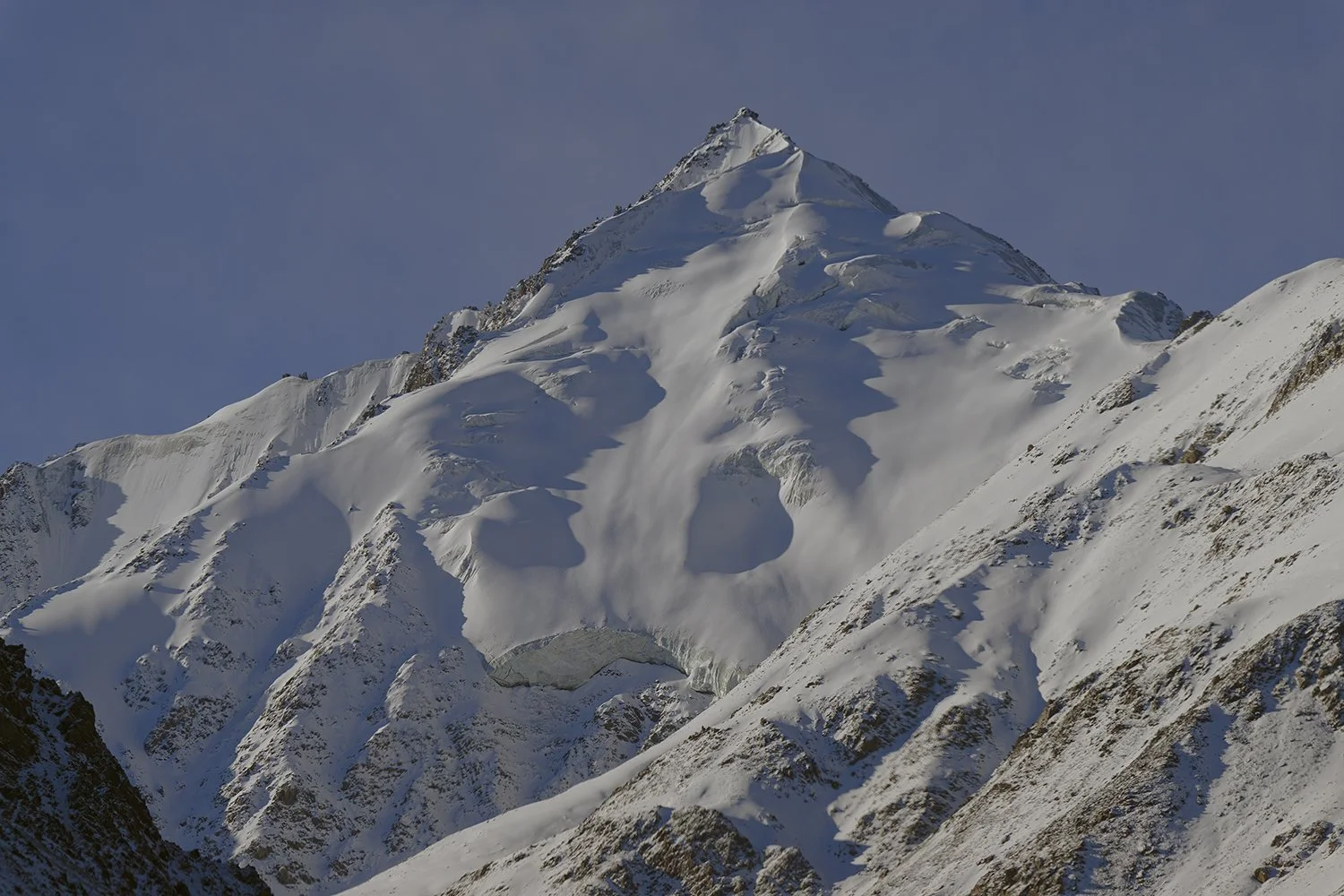
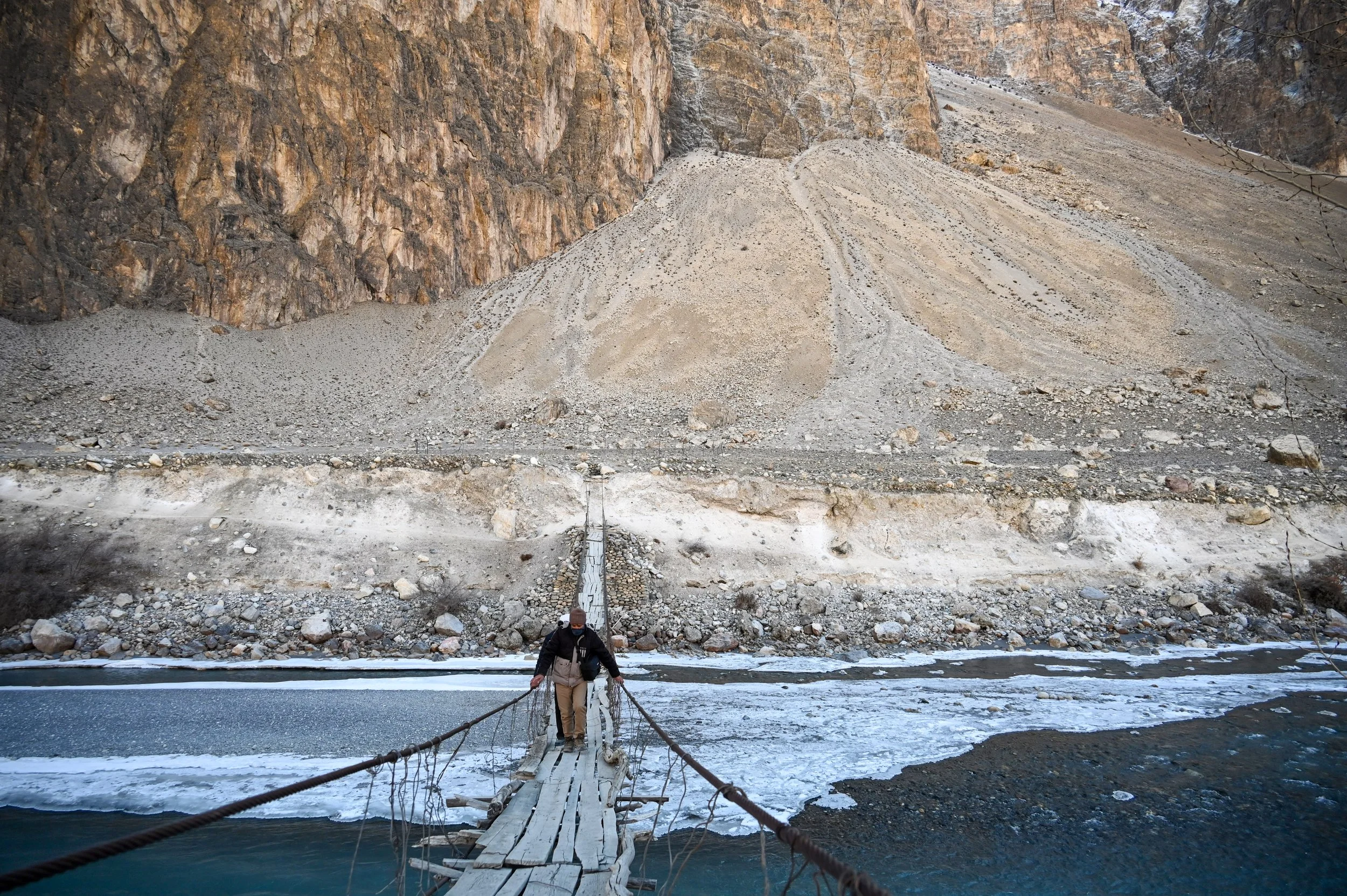
Hunza and the Khunjerab valleys occupy Pakistan's far northern frontier, where the Karakoram meets the Pamirs in a vast cold-desert landscape. The expedition moves from Hunza's cultural heart into the protected corridor of Khunjerab National Park, where vehicle-accessible vantage points allow sustained hours behind the glass as trackers read the ridgelines for movement.
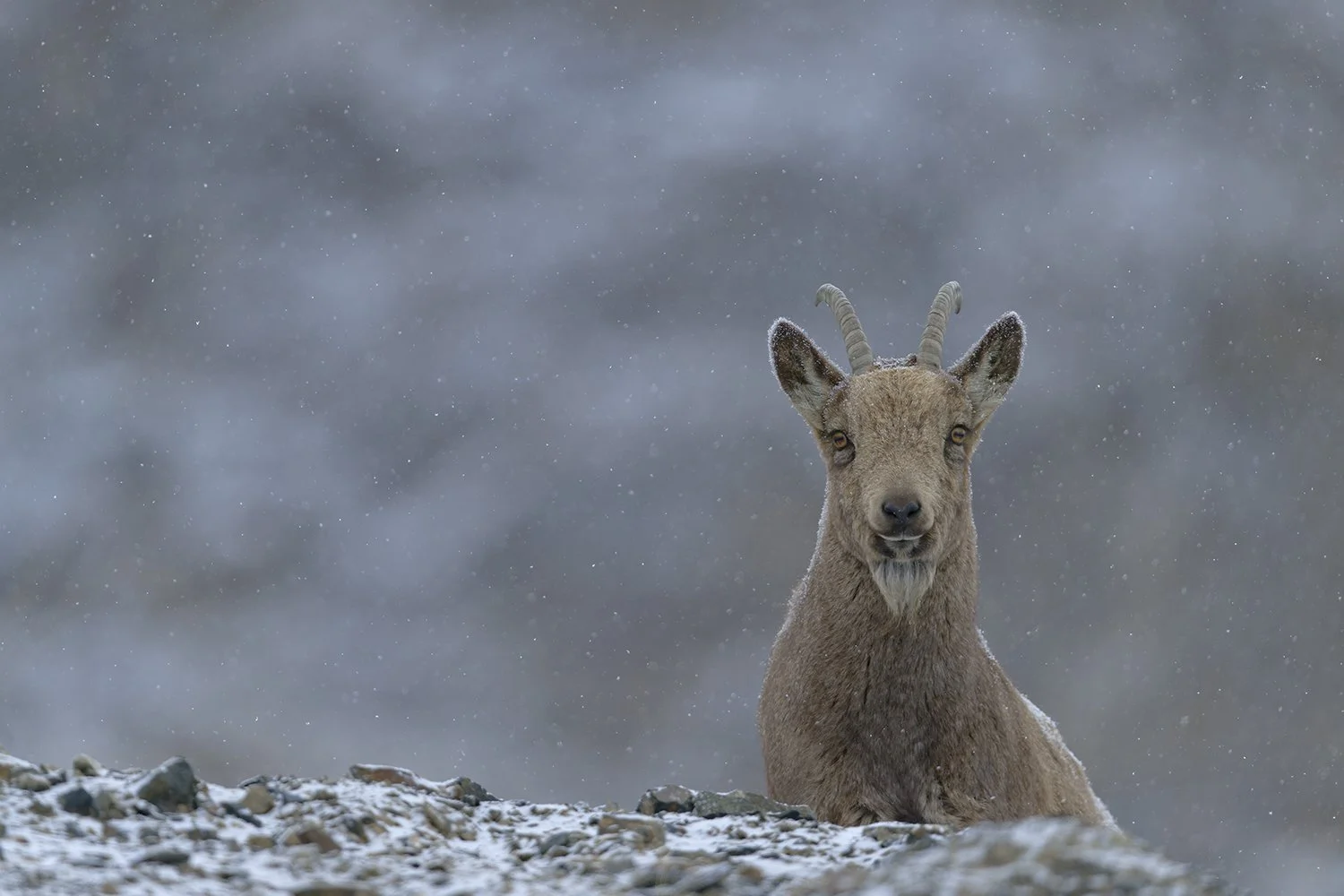
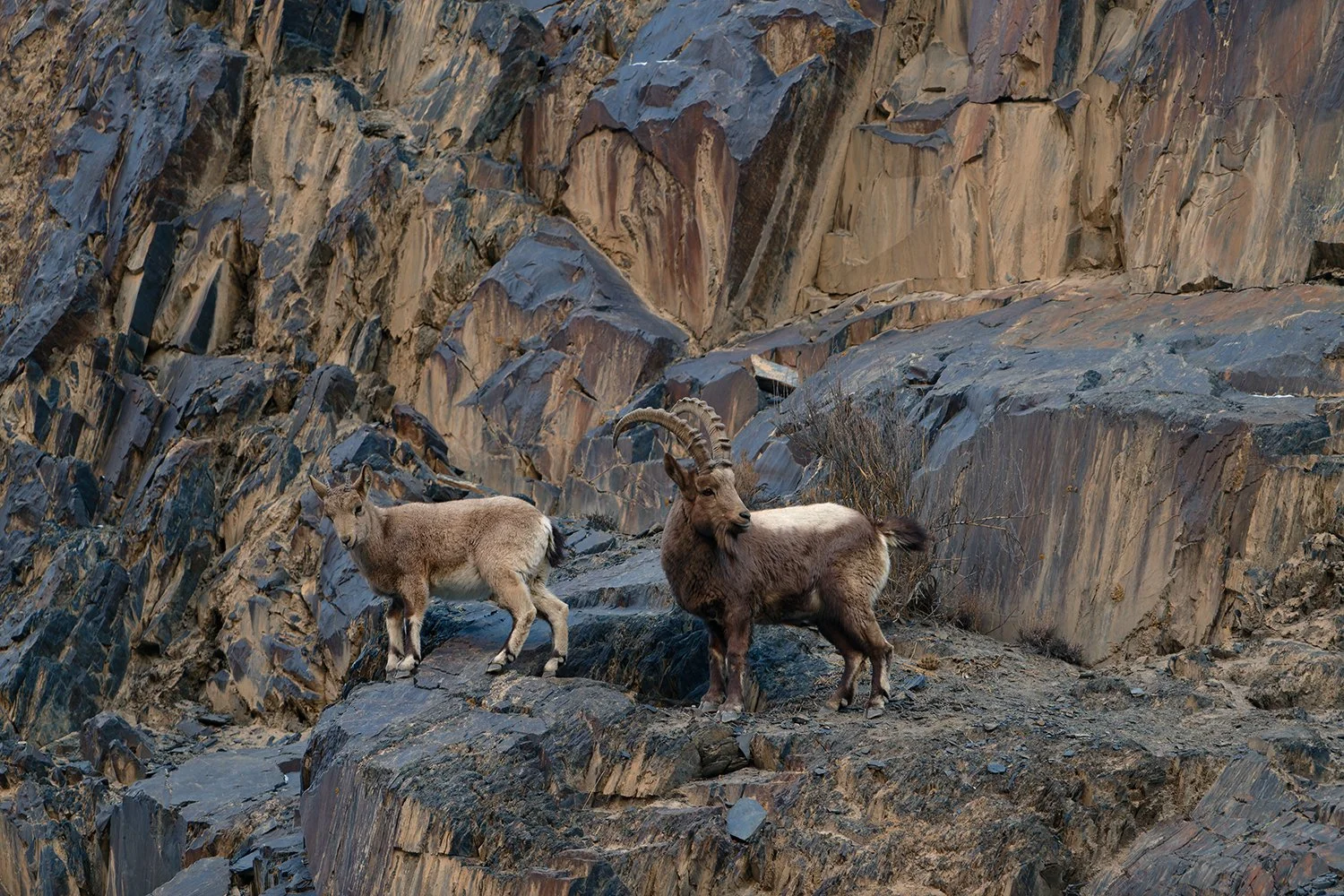
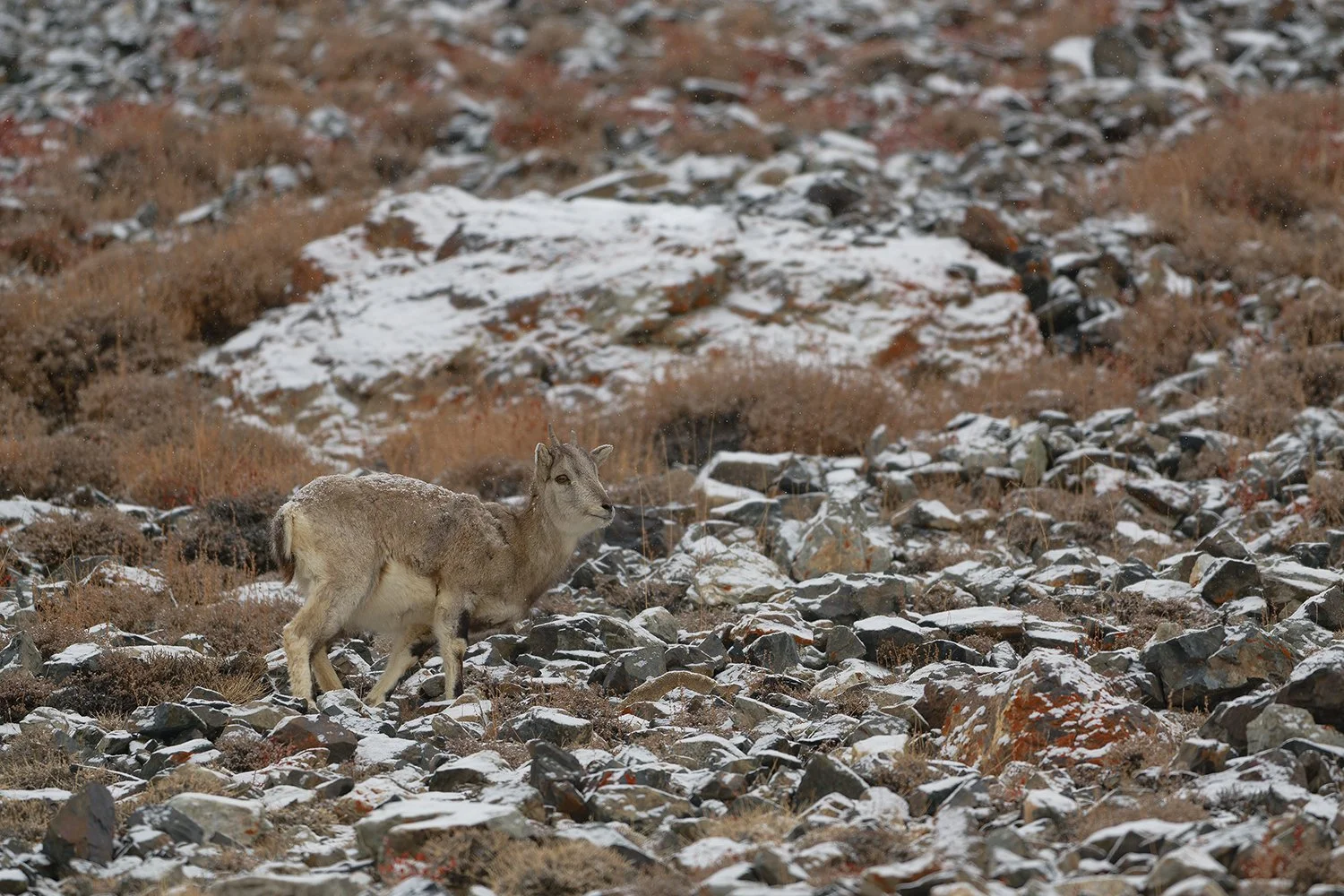
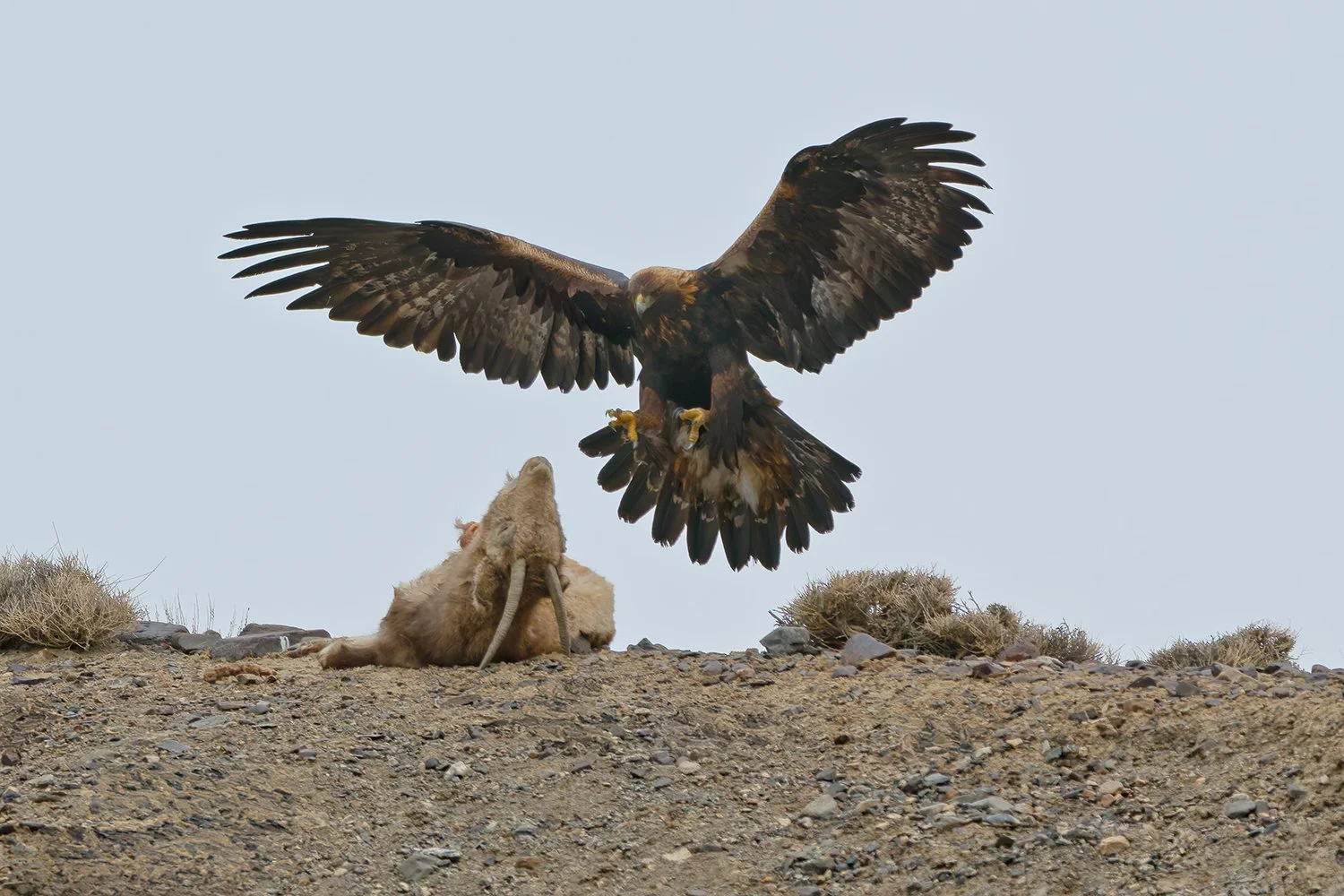
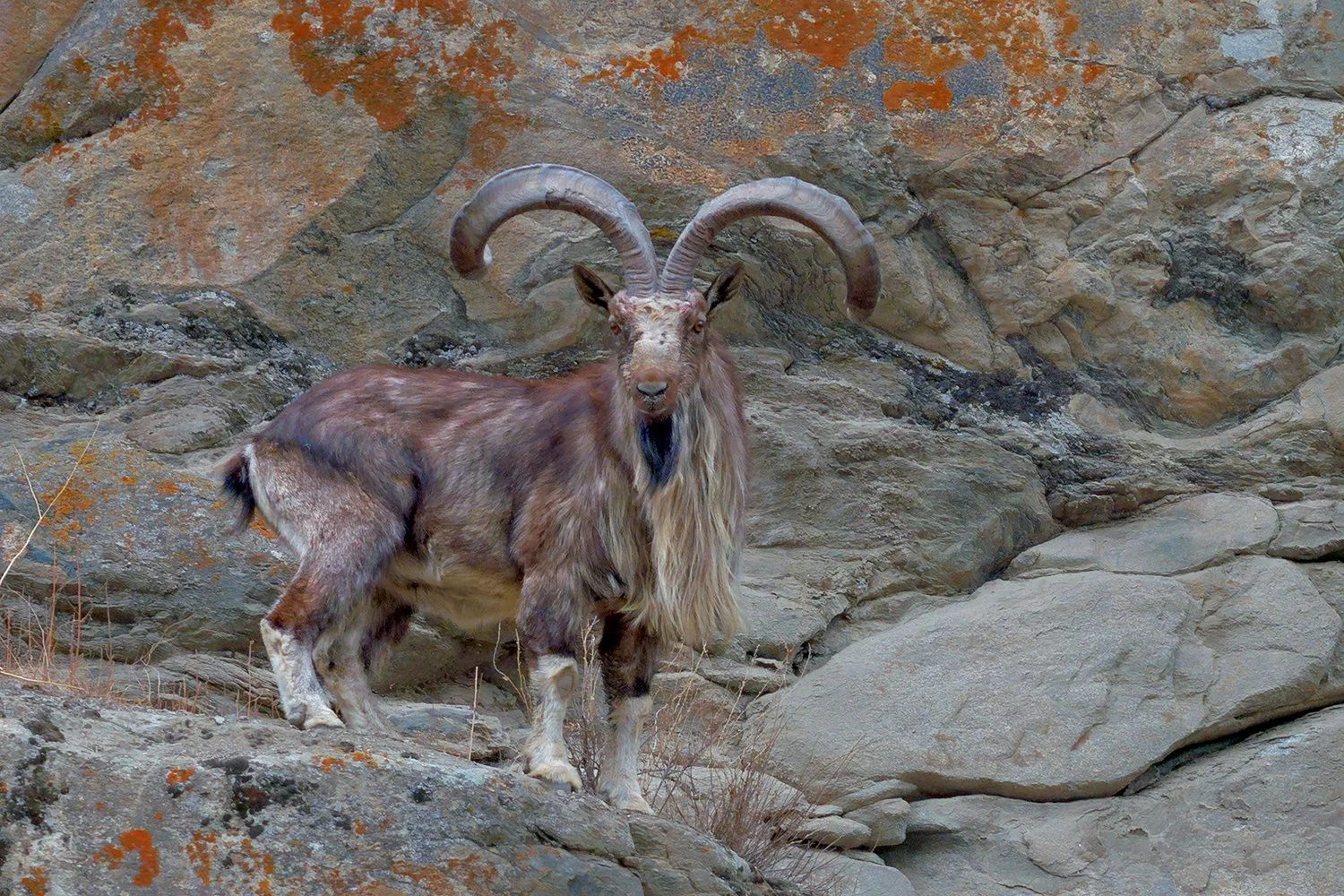
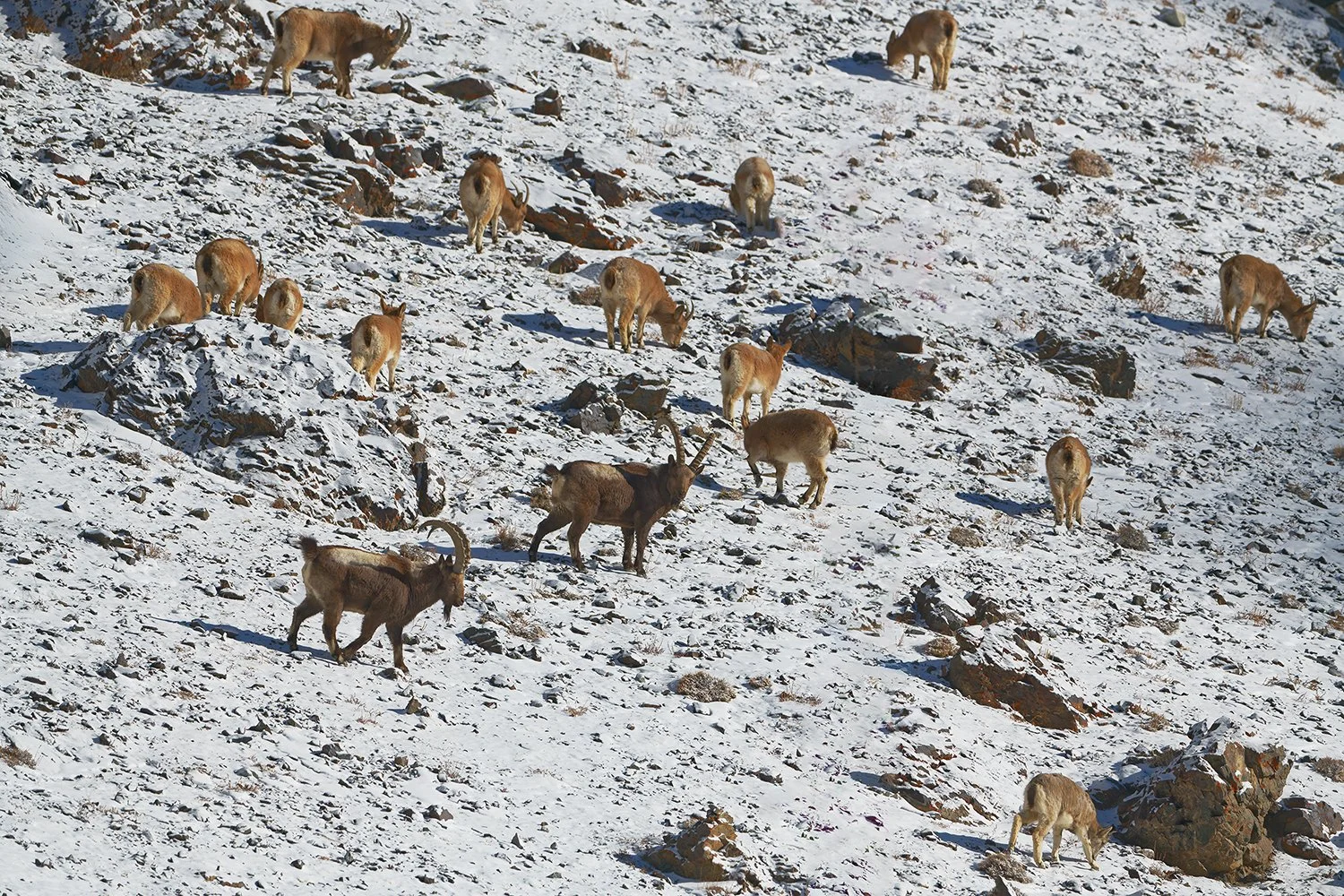
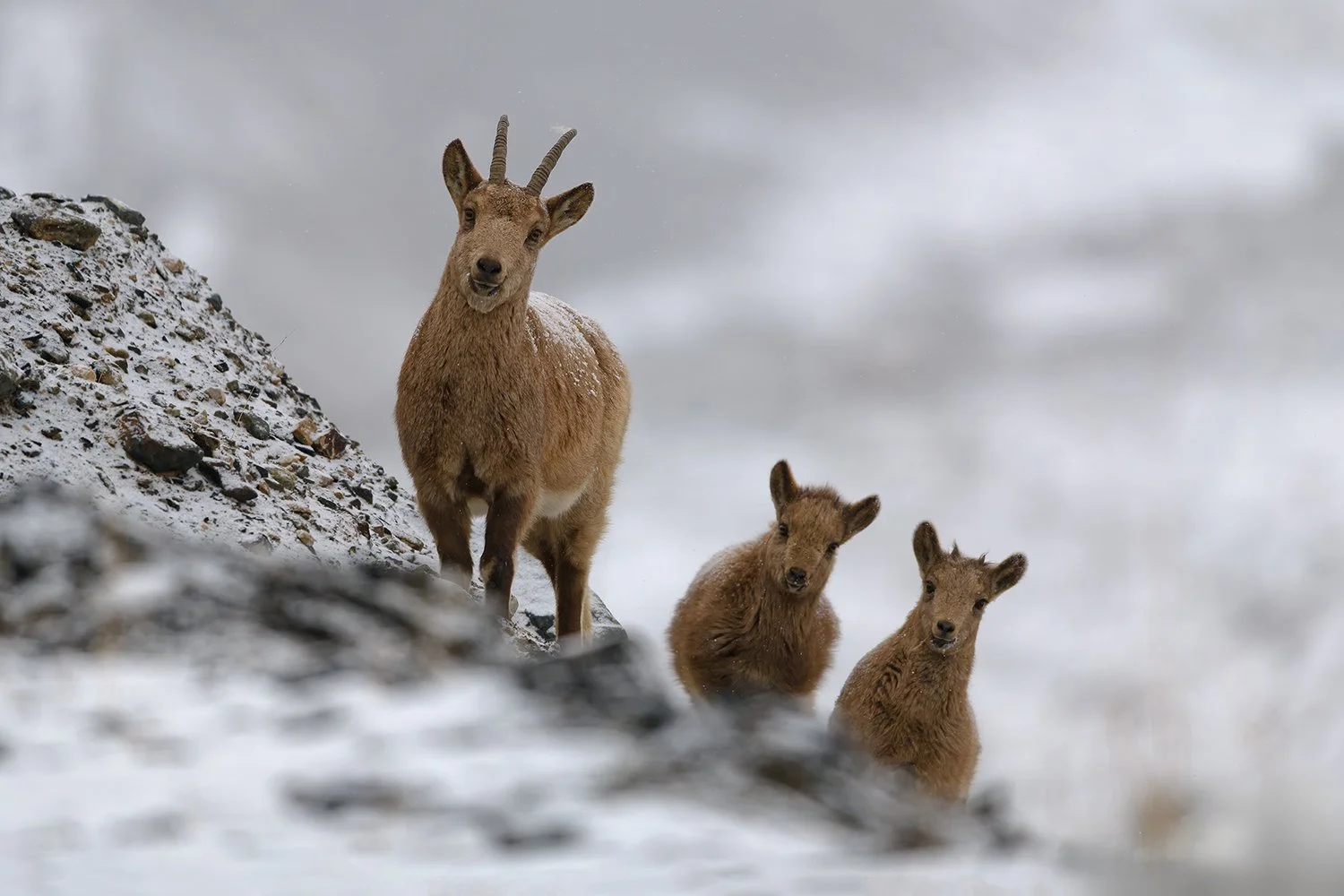
The ecosystem reveals itself between field sessions: Himalayan ibex on impossible cliff faces, blue sheep grazing high pastures, golden eagles and bearded vultures overhead. In the Rondu Valley, Astor markhor—Pakistan's national animal—inhabit rocky slopes accessible for focused observation. Hunza's ancient forts, villages, and terraced orchards provide the cultural texture.
The expedition is hosted by Kamran Saleem, celebrated wildlife photographer and filmmaker, with a field team built around ethical practice and community-based conservation in partnership with the Snow Leopard Foundation.
KEY EXPERIENCES
Track snow leopards with an elite local team of wild life trackers working across the Khunjerab corridor
Photograph from vehicle-supported positions in a narrow protected valley—sustained scanning sessions, rapid repositioning as intelligence evolves
Work alongside Kamran Saleem, celebrated wildlife photographer and filmmaker, with field coaching and evening image review sessions
Encounter Himalayan ibex, blue sheep, Astor markhor, golden eagle, and bearded vulture throughout the expedition
Support Snow Leopard Foundation Pakistan's community-based conservation—livestock insurance, predator-proof corrals, conservation education
Explore Hunza's forts, villages, and terraced valleys where mountain life remains shaped by seasons and the old trade routes
Travel the Karakoram Highway toward the 4,693-meter Khunjerab Pass—a modern road through an ancient corridor connecting Central and South Asia
JOURNEY INCLUDES
Full-board accommodation throughout
Expert guiding and tracking for the duration
Photography leadership master class and field coaching
Several Swarovski BTX spotting scopes and high powered binoculars for each guest
All domestic flights and road transfers
Dedicated field vehicles with tracker radio coordination
Conservation field visits with Snow Leopard Foundation Pakistan
All permits, entrance fees, and park charges
Conservation Contribution
Every departure supports Snow Leopard Foundation Pakistan—livestock insurance, predator-proof corrals, conservation education.
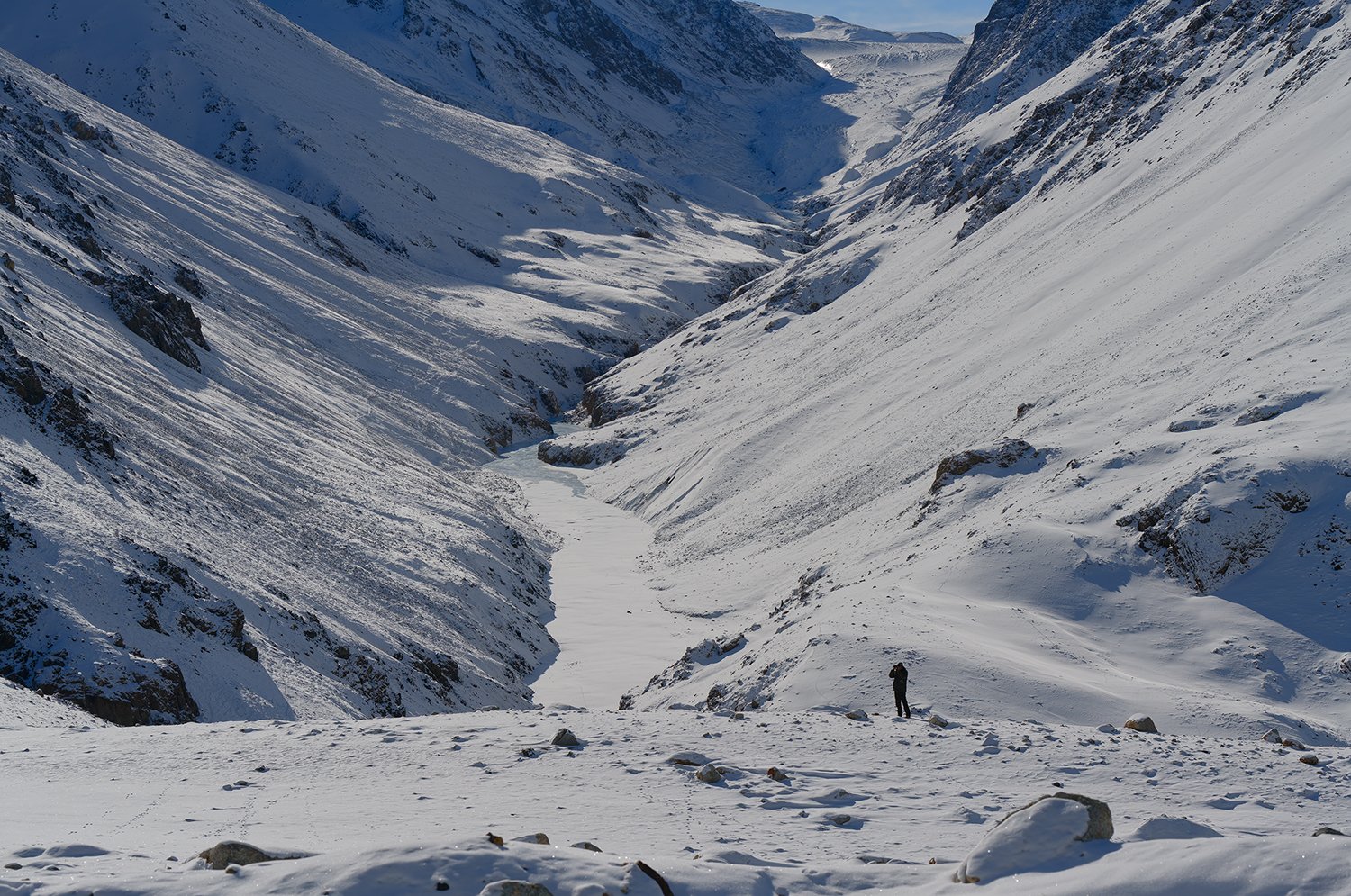
Exclusive access to the best snow leopard trackers combined with an intimate photography masterclass by distinguished photographer and conservationist, Kamran Saleem
SNOW LEOPARD in PAKISTAN
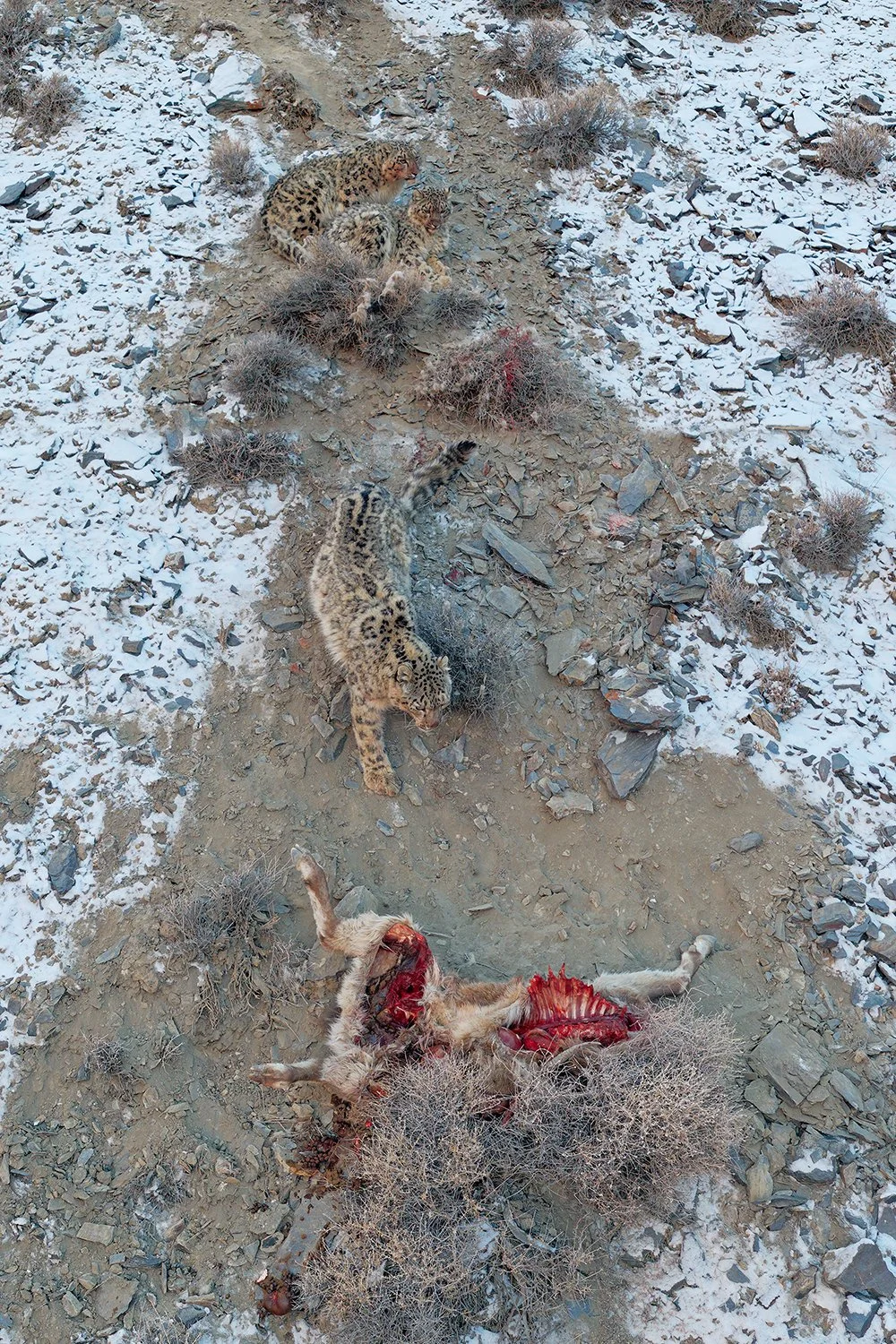
Pakistan holds one of the world's most significant snow leopard populations across a vast arc of high mountains where the Karakoram, Himalaya, and Hindu Kush converge. This is snow leopard terrain at its most dramatic—broken cliff faces, wide glacial valleys, and ridgelines above 4,000 meters where the ghost has hunted for millennia.
The habitat is intact. Healthy populations of Himalayan ibex and blue sheep support a predator that requires enormous range and abundant prey. The ecosystem functions as it should—large cats pursuing wild ungulates across landscapes measured in vertical kilometers, their movements dictated by season, weather, and the ancient rhythms of predator and prey.
KHUNJERAB NATIONAL PARK
Khunjerab National Park is Pakistan’s high frontier—an immense, protected mountain sanctuary where steep slopes, ridgelines, and broken rock create classic snow leopard terrain. Built to safeguard high-altitude habitat, the park sits along the corridor that later became the route of the Karakoram Highway, linking Pakistan and China via the Khunjerab Pass within the park’s high landscape.
For photographers and wild life watchers, this creates a rare advantage: a protected, road-accessible valley where you can scan directly from the vehicle, hold stable long-lens positions for extended periods, and reposition quickly as tracker intel evolves—maximizing time behind the glass in true snow leopard habitat.
Key advantage: Unusually vehicle-accessible snow leopard terrain—more hours scanning, less time hiking under load.
CONSERVATION
Every departure supports Snow Leopard Foundation Pakistan's community-based conservation program—addressing human-wildlife conflict at its source.
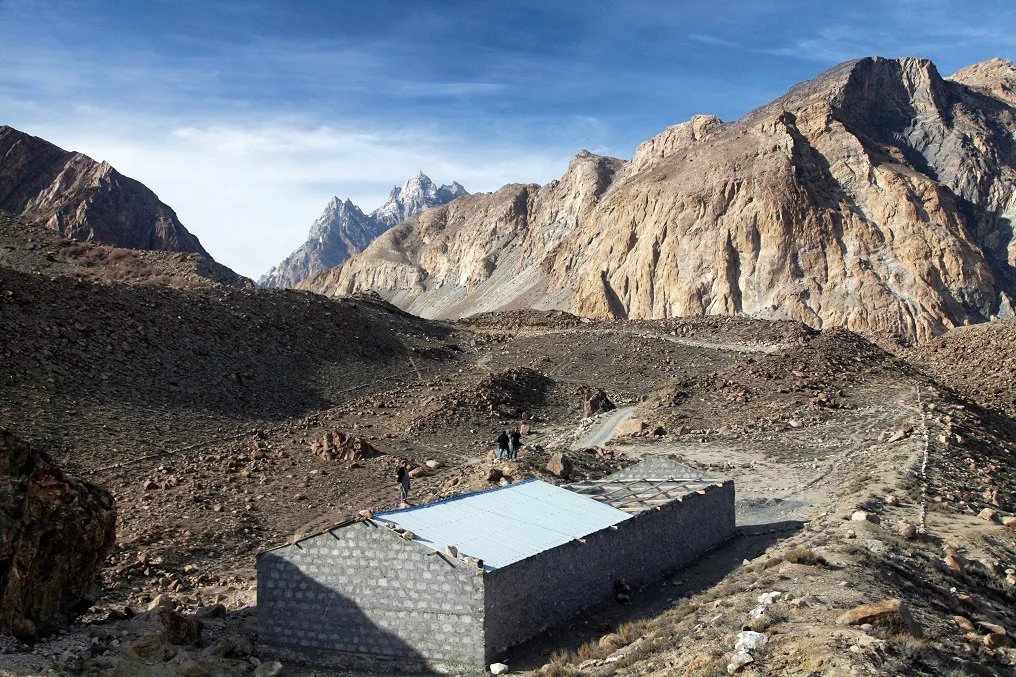
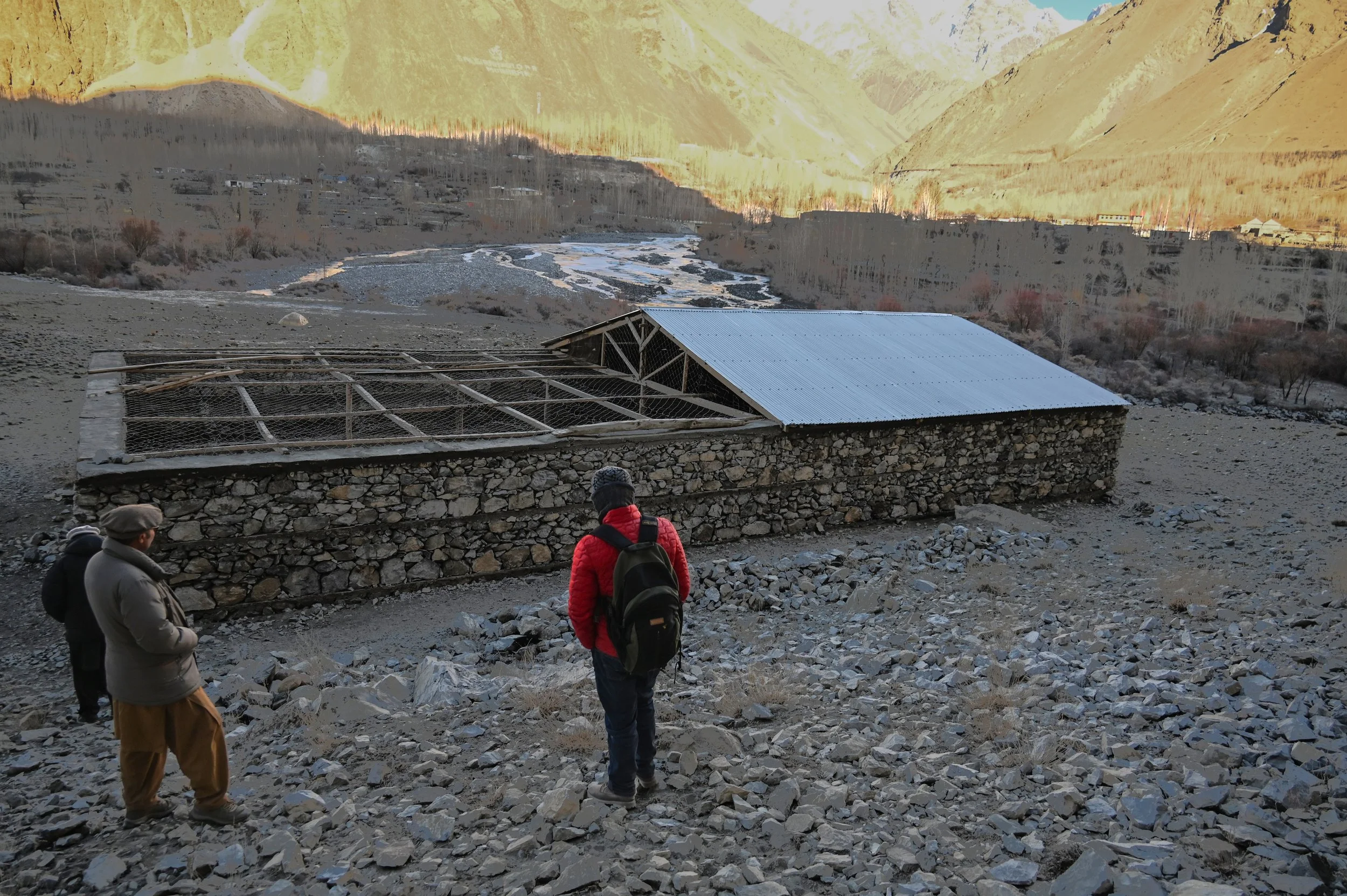
Predator-proof corrals — Reinforced enclosures that reduce livestock kills by over 95%
Livestock insurance — Safety nets that remove economic devastation of predation losses
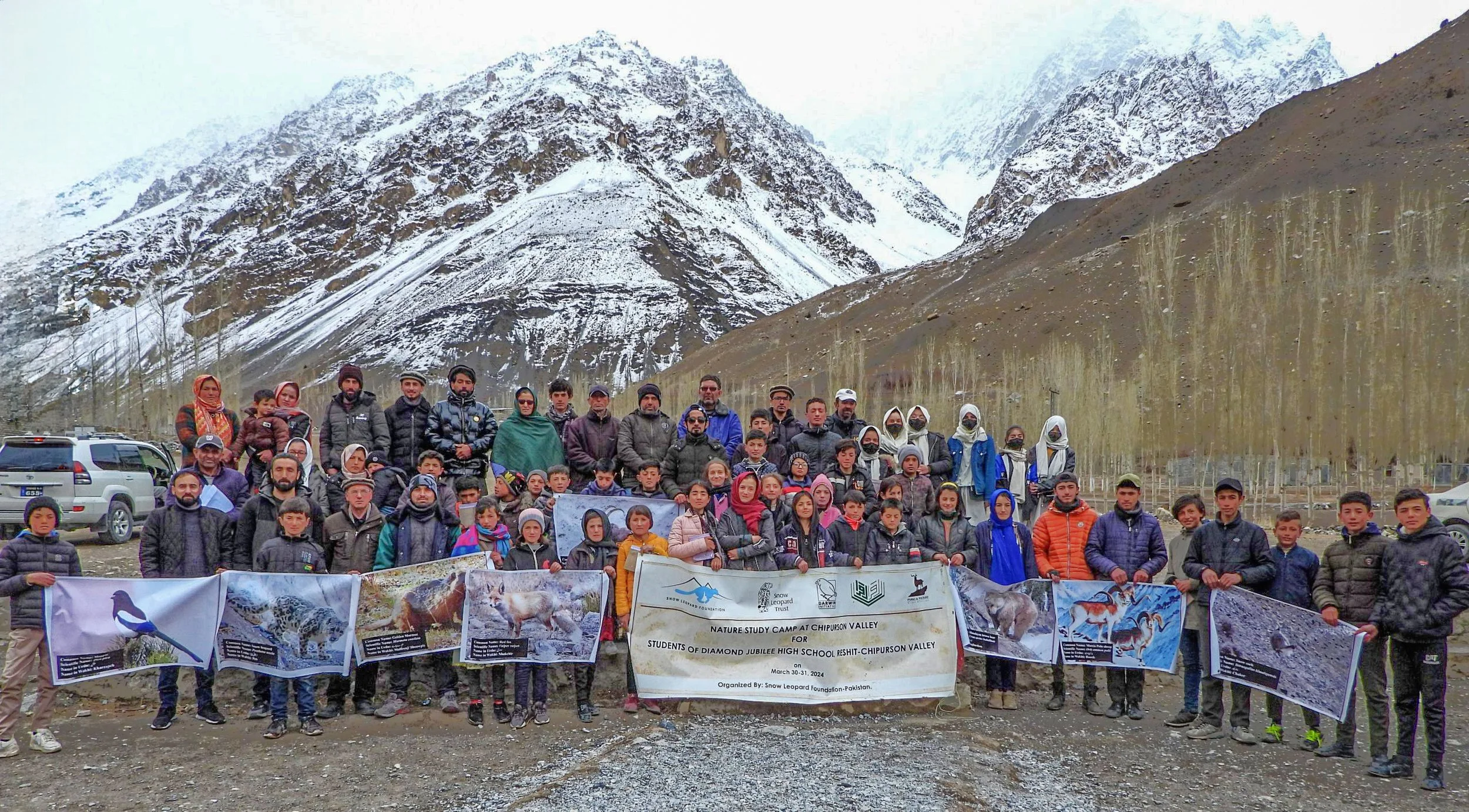
Conservation education — Programs that build long-term community stewardship
THE HIGH KARAKORAM'S WILDLIFE
This expedition is designed around a living ecosystem—not a single species. While the Snow Leopard is the prize, the supporting cast is exceptional, and often visible across field days and transit routes.
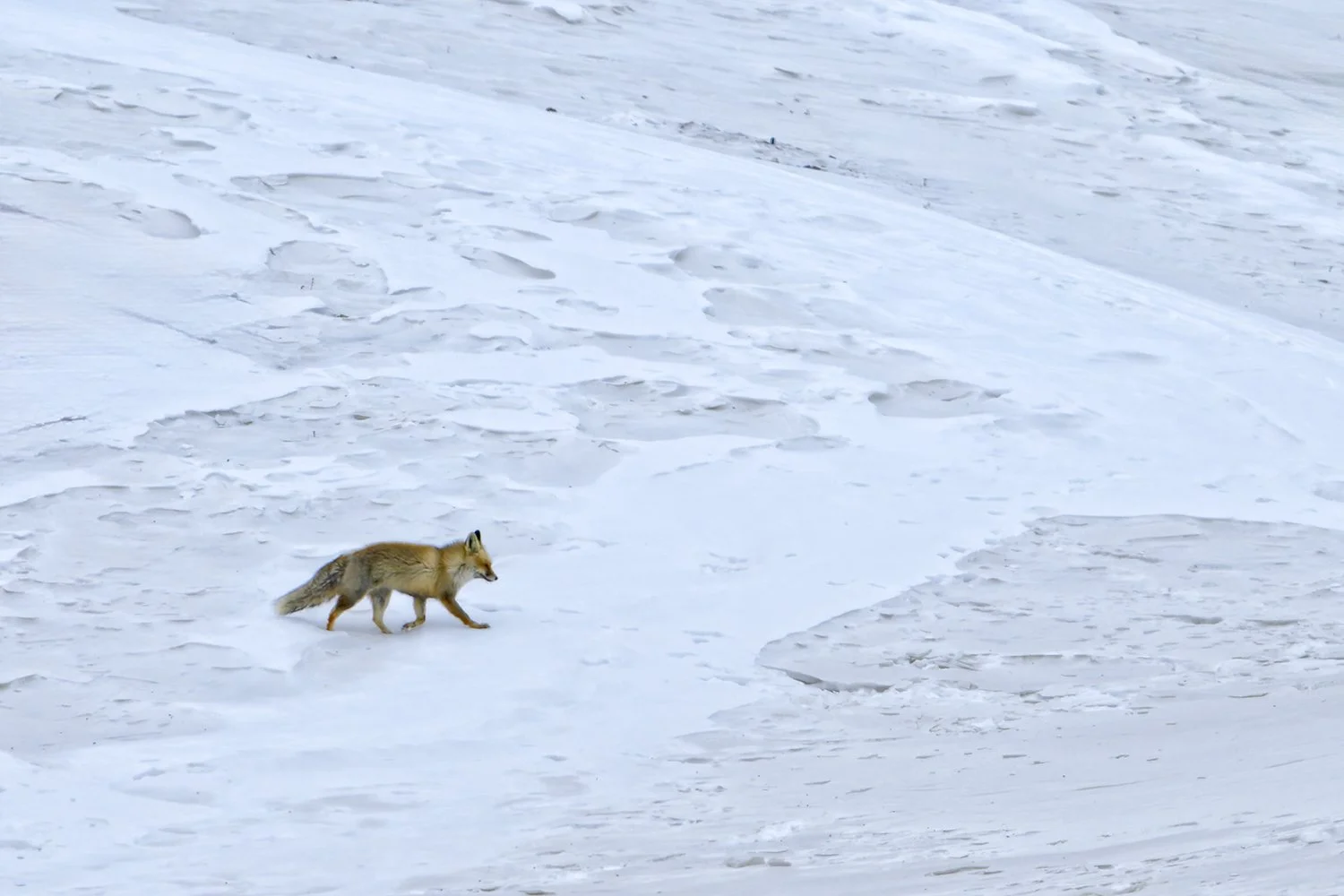
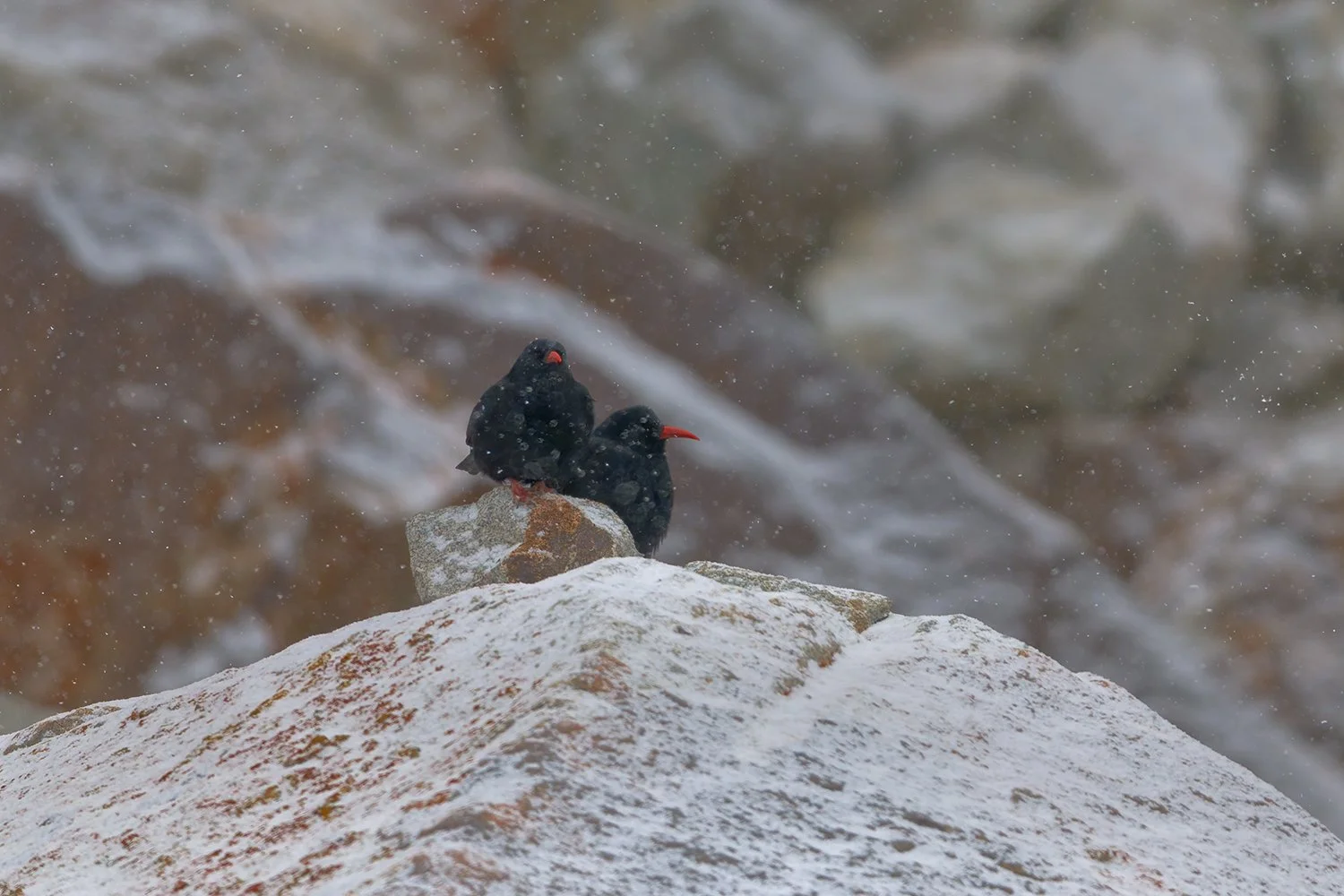
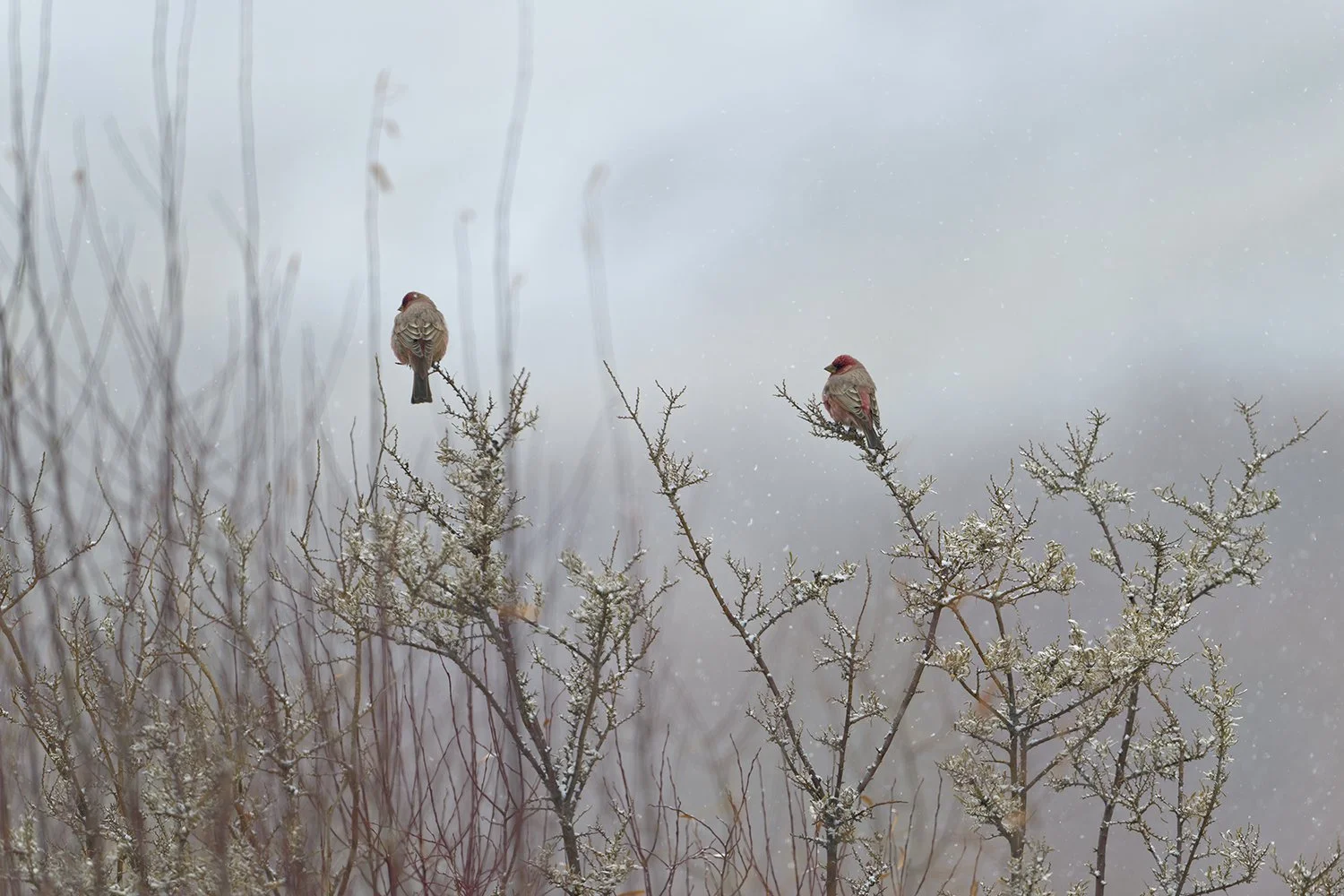
What you can expect to photograph prominently (conditions dependent): Himalayan ibex, Blue Sheep, Astore markhor — targeted on Day 3 in Rondhu Valley, Grey wolf, Red Fox and birds like Golden Eagle, Chukar, Rose Finches and Red-billed Chough.
KAMRAN SALEEM
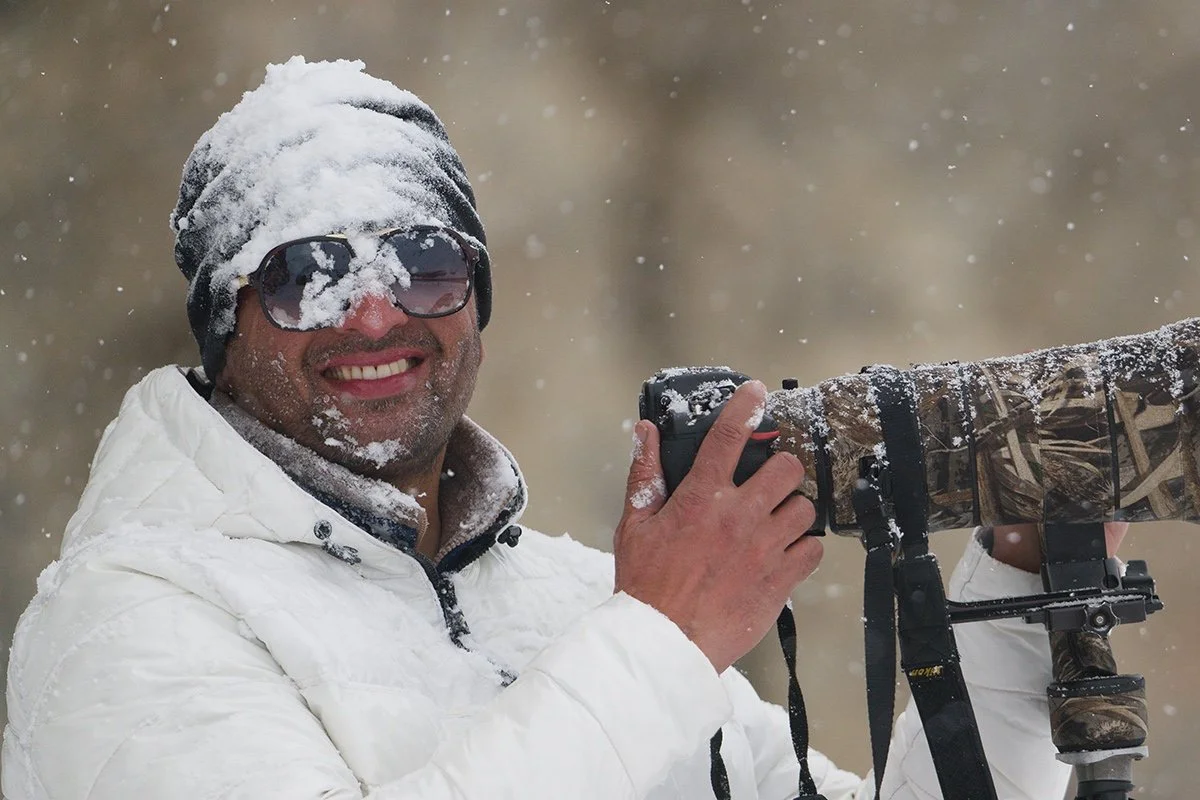
Kamran Saleem is a celebrated wildlife photographer, filmmaker, and author whose work bridges natural wonder and artistic expression. Known for evocative storytelling, his imagery moves beyond conventional wildlife frames—immersing viewers in the emotional essence of his subjects. His documentary Deosai – The Last Sanctuary earned international acclaim, winning the Protection of Nature Prize at the Ménigoute Film Festival (France). His publications include Birds of Sialkot, Lahore is Lahore, and Land of Rhyming Cliffs.