Known for its spectacular nature, Pakistan is also home to a large number of fortresses. Scattered throughout the country, sometimes along the plains of the Indus river at others perched up on a mountain top. Some of the palace-forts have been converted to hotels and are part of our packaged and crafted tours.
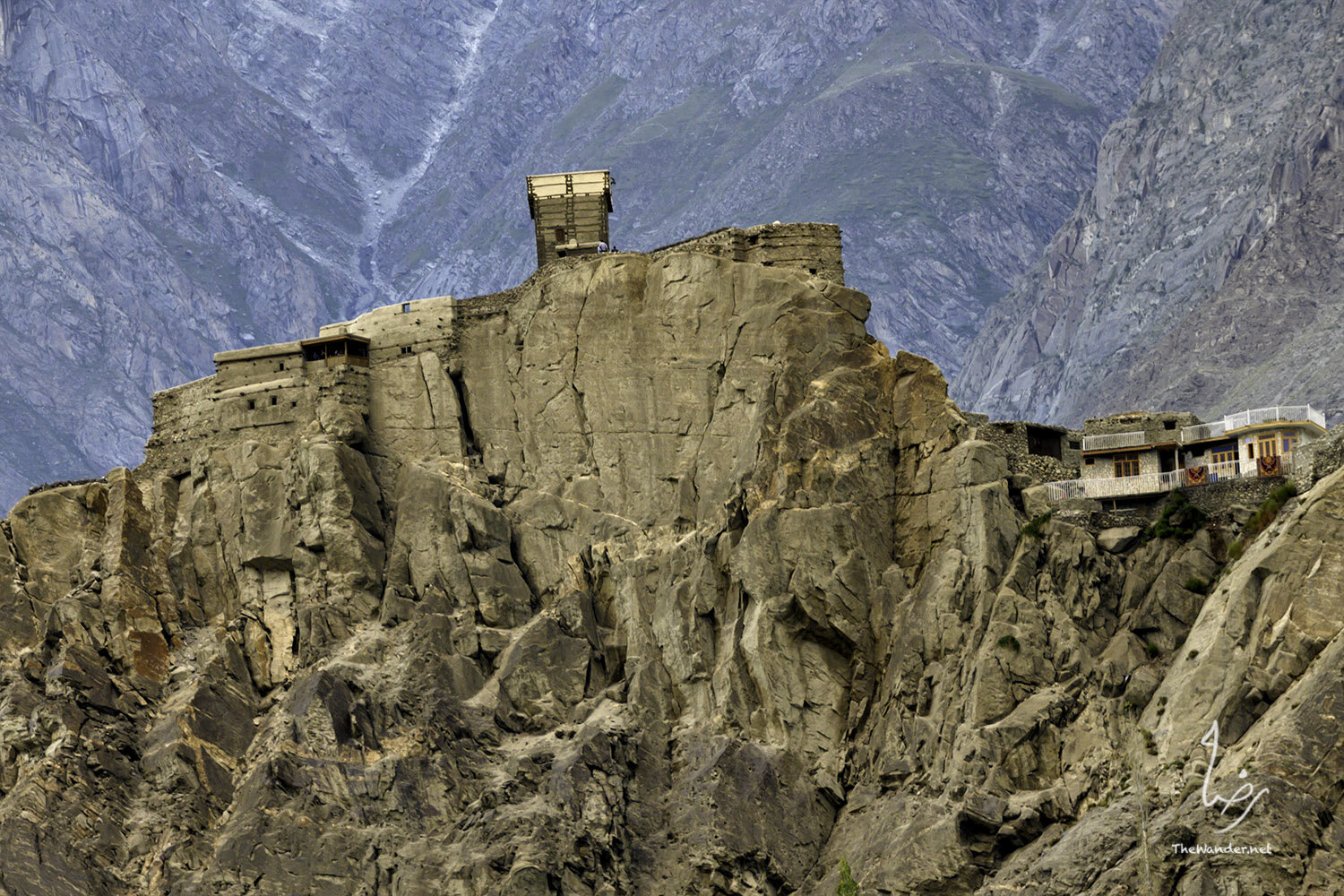
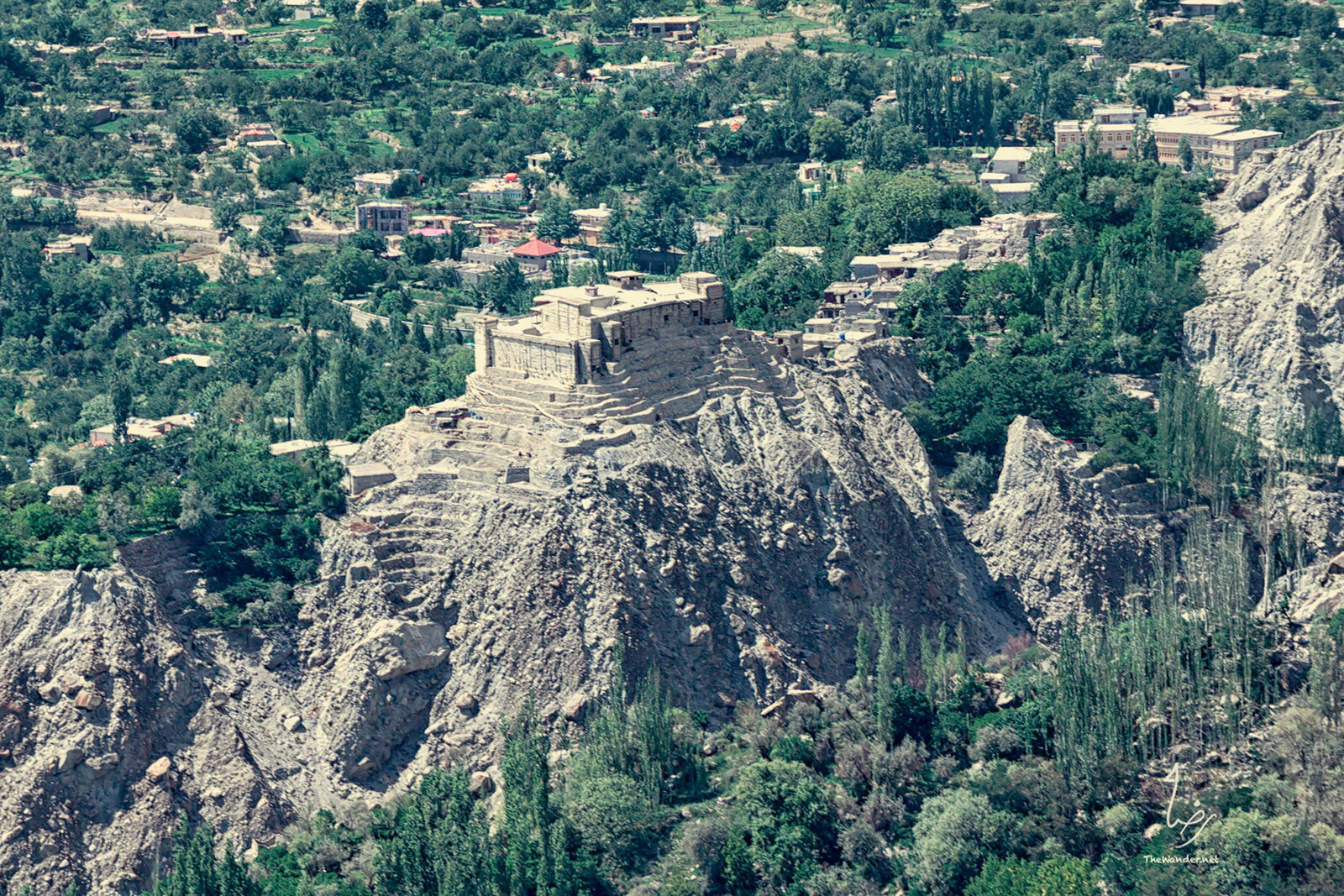
The 1100 years old Altit fort, the original seat of the Hunza state and the oldest monument in Gilgit-Baltistan
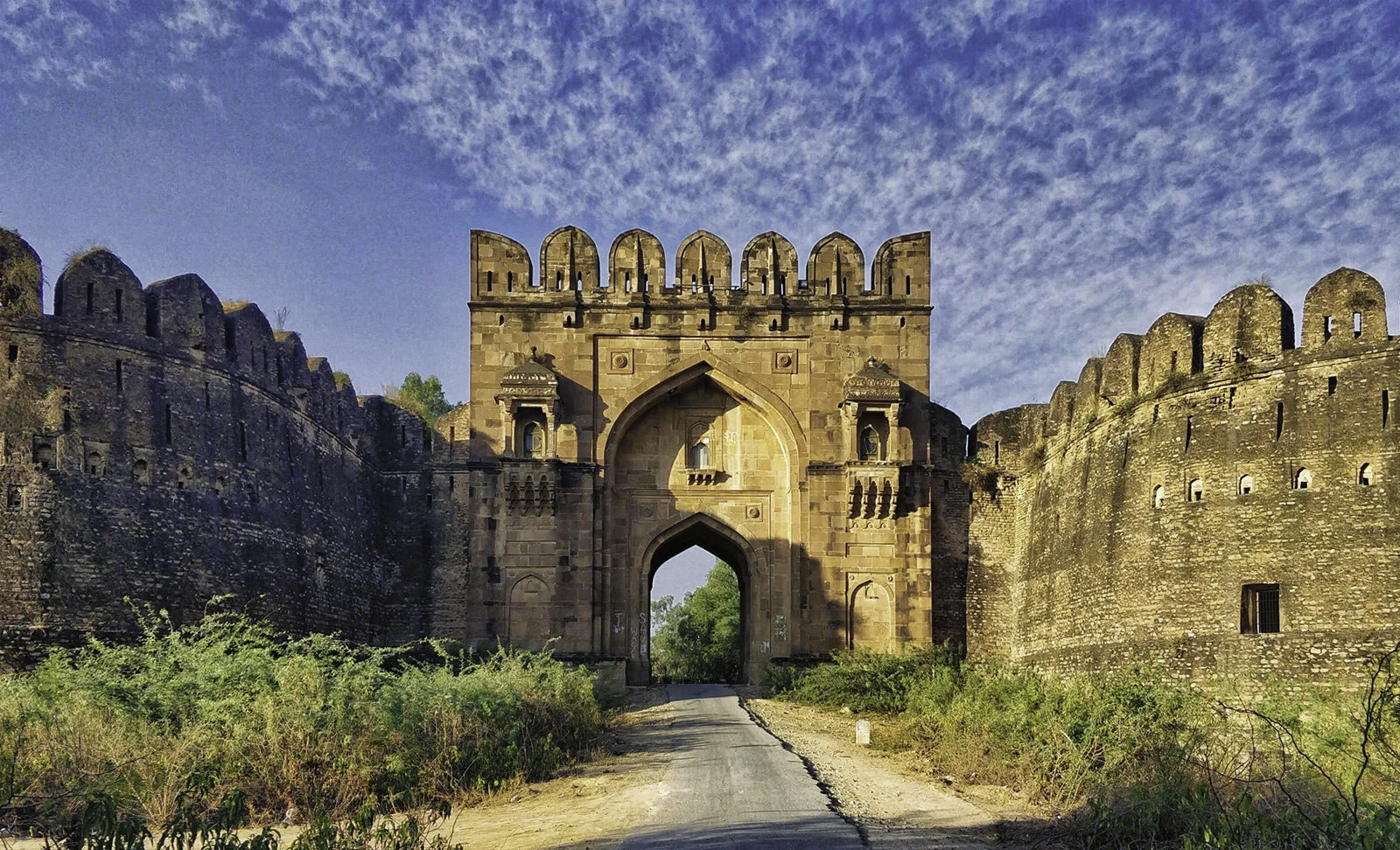
Rohtas fort is known for its amazing architecture. It was constructed by the famous king Sher Shah Suri in 1547 AD. ·A UNESCO world heritage site the fort is a blend of architectural and artistic traditions from turkey, central Asia and the Indian sub-continent, that later defined the Mughal architecture. It was never taken by storm and has survived intact to the present day.
The 700 year old Baltit Fort in Hunza is where the Mir (title of the Hunza ruler) resided until the 1950s. The Baltit Fort stands on an artificially flattened spur below the Ulter Glacier.
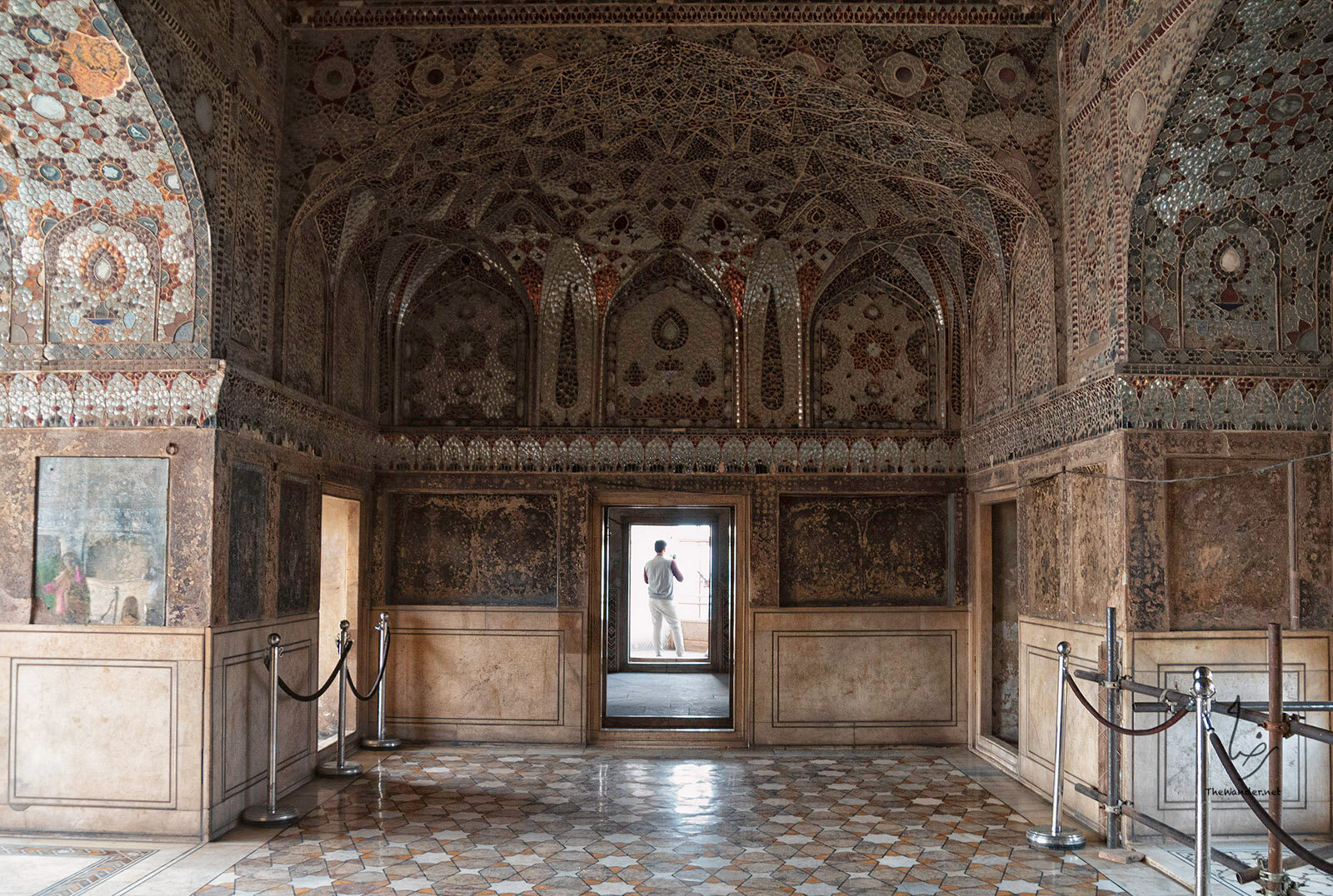
Lahore Fort, is the citadel in the city of Lahore, located at the northern end of the famous walled city. Sheesh Mahal (The Palace of Mirrors) known as such due to the intricate mirror work, is located within the King’s Pavilion. The Fort is a UNESCO world heritage site.
Also known as Yabgo Khar ( "The fort on the roof"), is an old fort and palace located in Khaplu, in the Gilgit-Baltistan region of northern Pakistan. The palace, considered an architectural heritage and a tourist attraction, was built in the mid-19th century, replacing an earlier fort located nearby. It served as a royal residence for the Raja of Khaplu. The Fort has been restored by Aga Khan Trust and serves as a luxury hotel. Stays in this hotel are part of our K2 basecamp trip
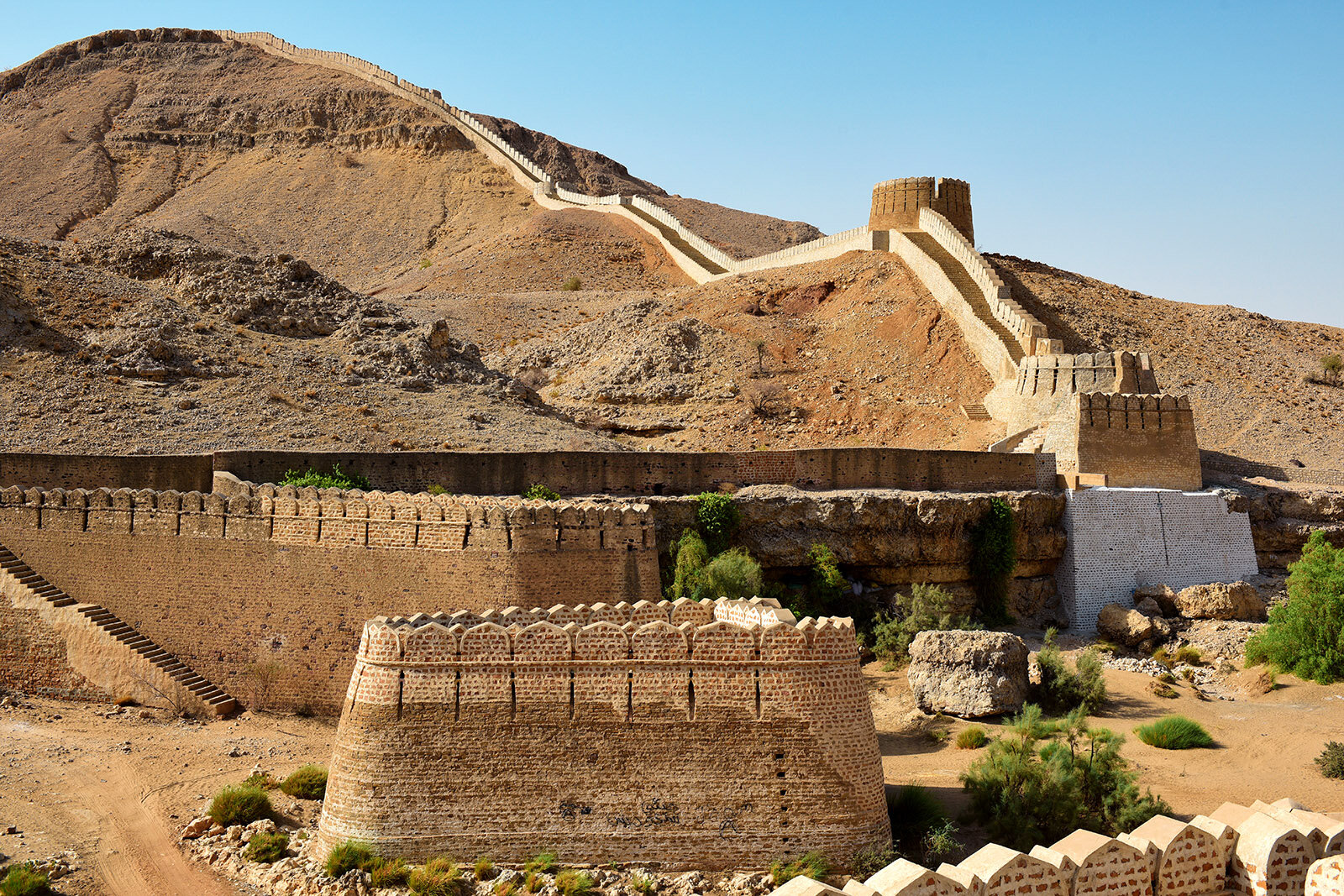
Considered the largest fort in the world. The fortification wall which follows the contours of the hilly landscape is 35 kms in length. A small fortress, about 5-6 miles inside the main gate, appears to have been the royal residence for the ruling family of Mirs (the rulers of the area)
By Adrian Leslie Lobo - Own work, CC BY-SA 3.0
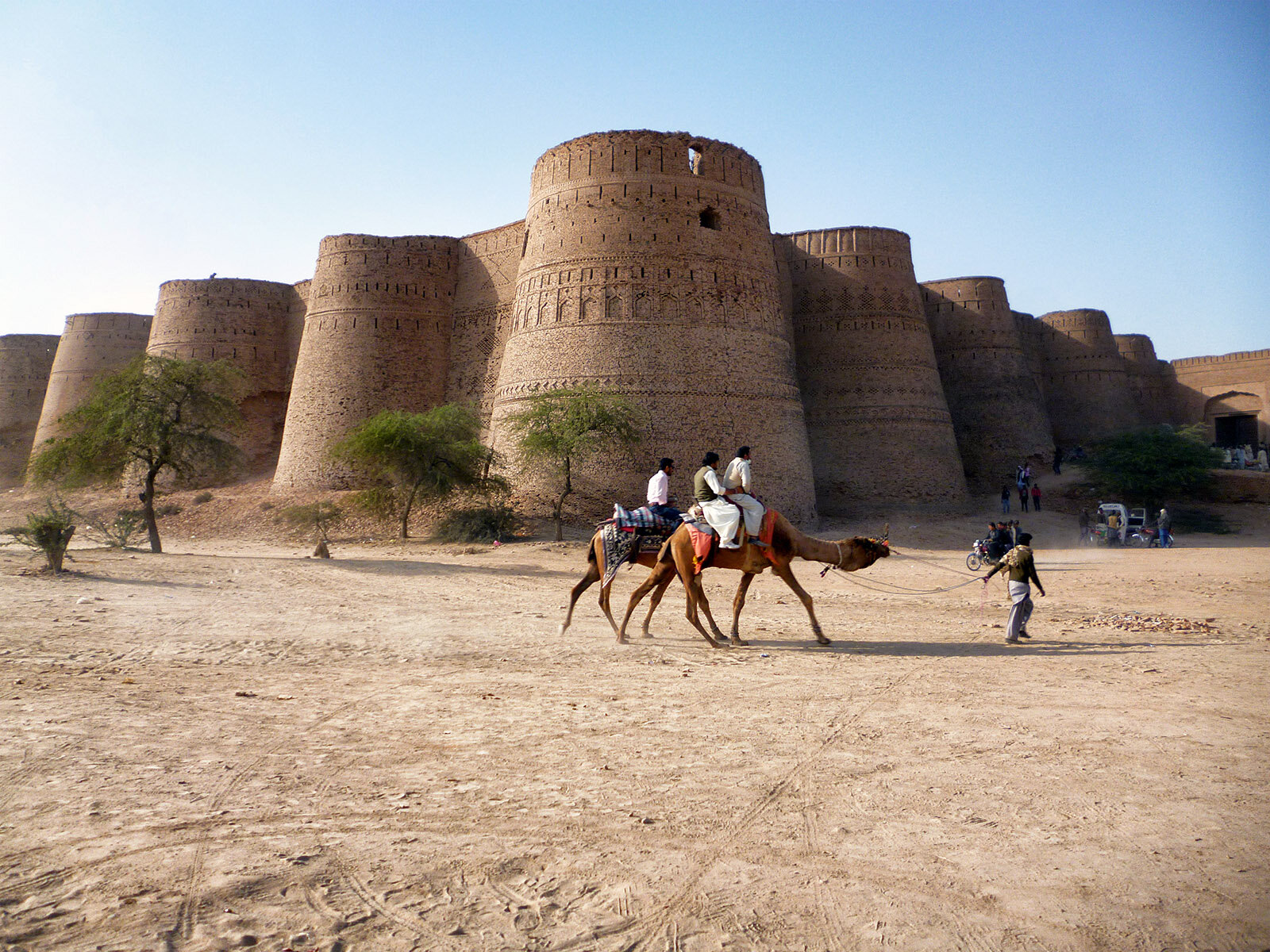
Derawar Fort, built in the 9th century is the best surviving example of this series of historic forts in Cholistan desert. The fort is a massive and visually stunning square structure built of clay bricks. The walls have a length of 1500 meters and stand up to thirty meters high. There are forty circular bastions, ten on each side, which stand 30 m high and are visible across the desert for many miles
The best time to see it is in February during the famous Cholistan jeep rally.
by Waqasbhattkpr is licensed under CC BY-SA 4.0.
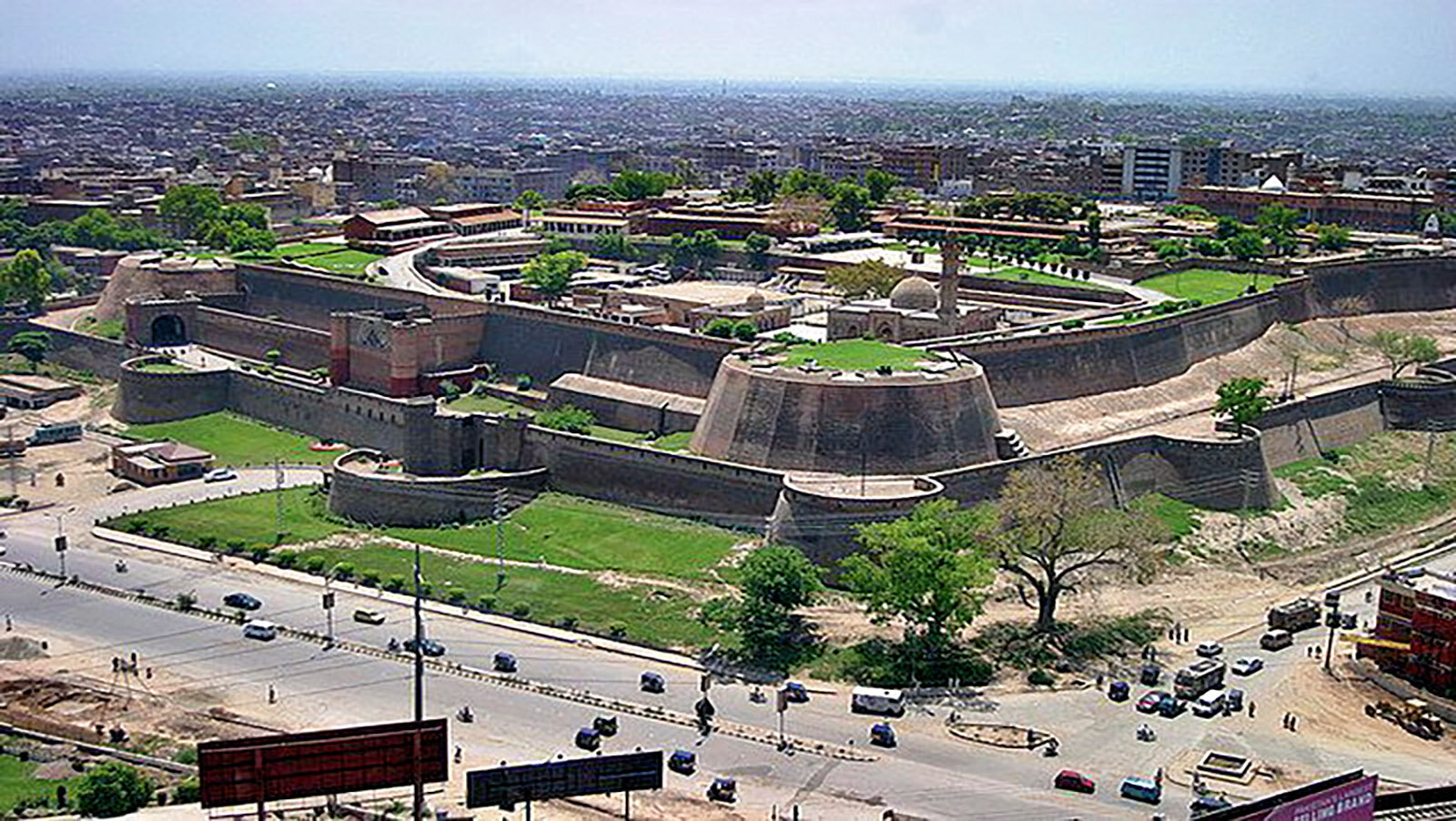
Built in 1747, this fort which was once used as a royal winter residence of the Duranni Empire is located in Peshawar. It has completely been renovated and is currently in use by the Pakistan Army.
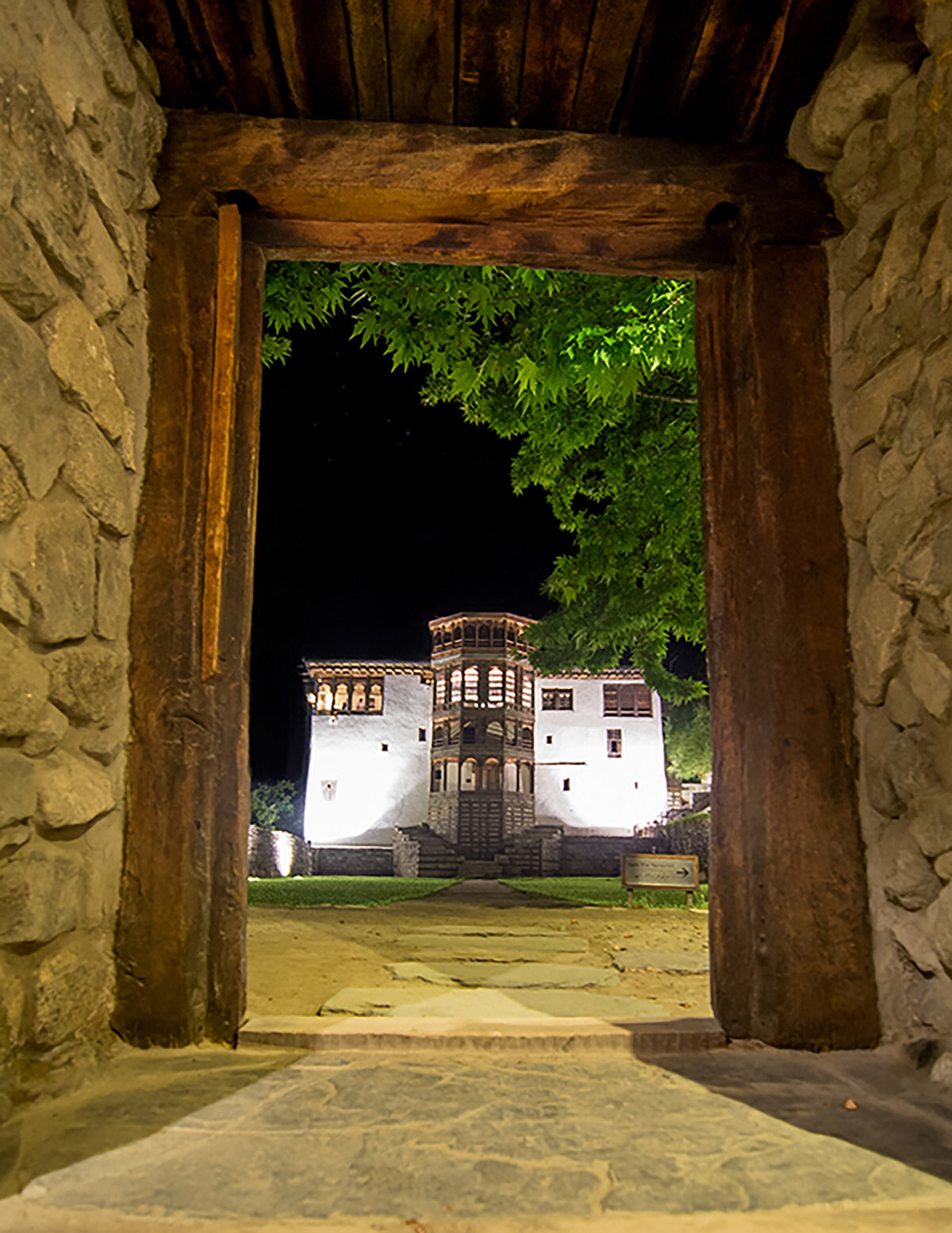
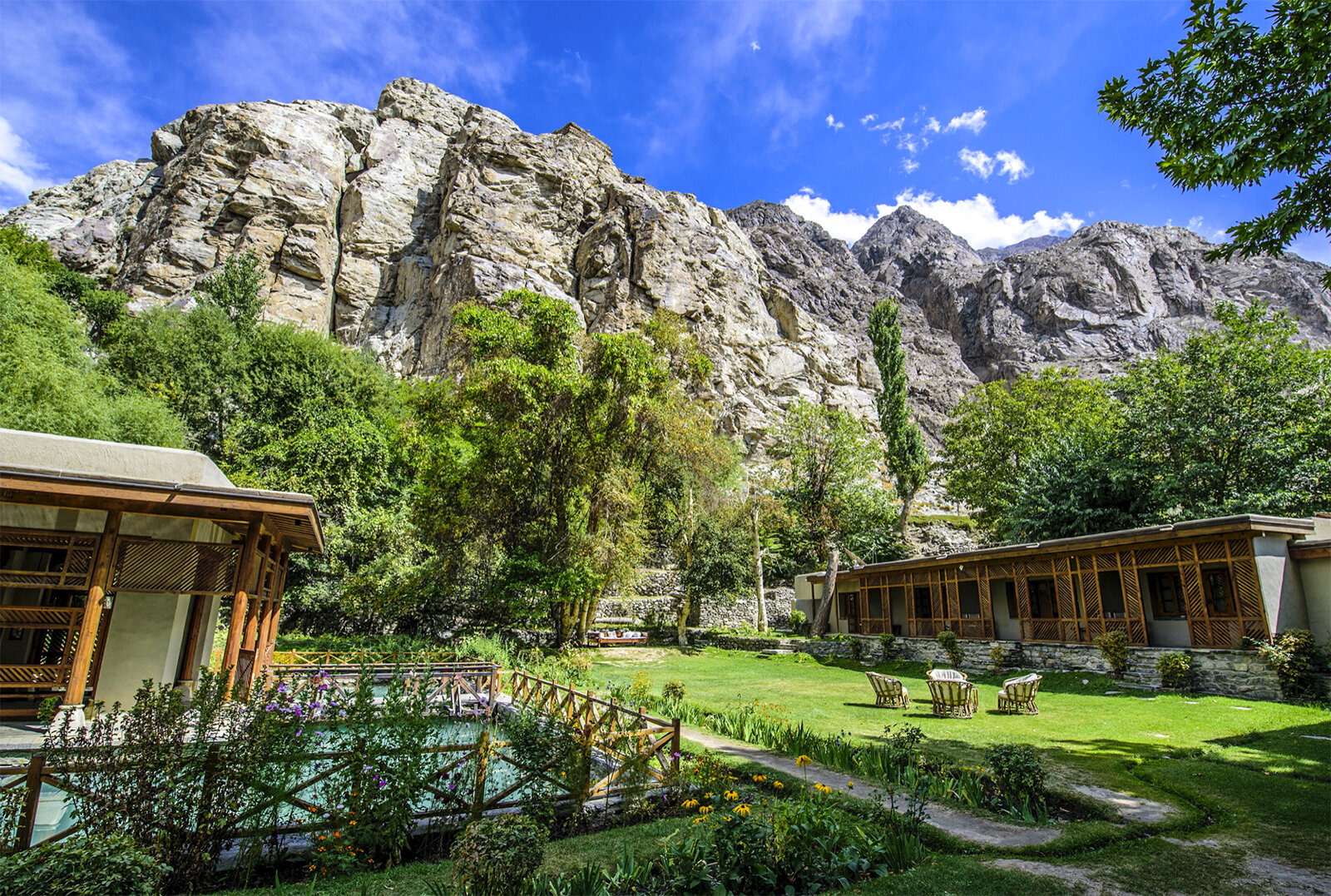
The fort, which was built in the 17th century by the Raja of Amacha Dynasty of Shigar, has been fully renovated and is used a hotel. Stays in this fort are part of our tours in Skardu.